
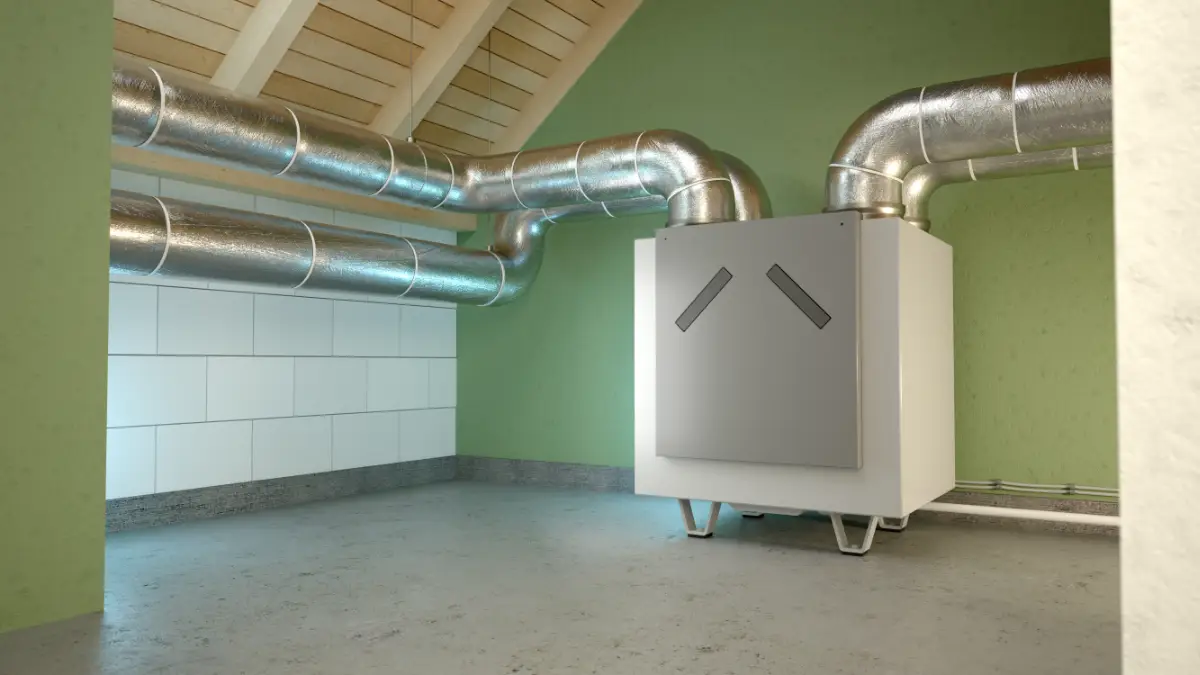
Modern ventilation systems with heat recovery, known as recuperators, are becoming the standard in energy-efficient construction. In 2026, a recuperator is not only a device that provides fresh air with minimal heat loss, but increasingly a comprehensive home climate management center. A properly selected recuperator allows for significant energy savings and improves occupants’ comfort.
Smart recuperators and IoT automation
One of the main trends is smart recuperators equipped with advanced control systems. These devices use sensors (e.g. CO₂ concentration, humidity, or air quality) and IoT technology to automatically adjust ventilation performance to the current needs of household members. Thanks to mobile applications and smart home system integration, users can remotely monitor and control the operation of the recuperator.
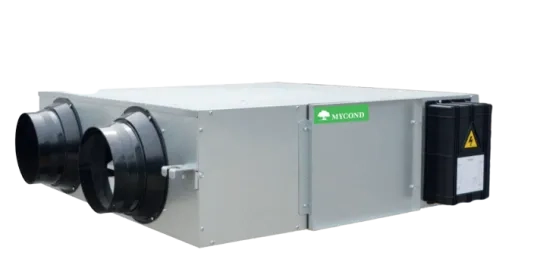
Automation also makes it possible to optimize energy consumption – the recuperator increases efficiency when sensors detect a deterioration in air quality and reduces airflow when the house is empty. As a result, intelligent control ensures a constant supply of fresh air with minimal electricity consumption. An example of such an advanced solution is the Mycond MV1500I-W recuperator air handling unit, which offers intelligent control via a mobile app and IoT integration, ensuring optimal energy efficiency.
Moisture recovery for better comfort
Another innovation in modern recuperators is moisture recovery from exhaust air. Traditional heat recovery ventilation can excessively dry the air in winter, which is why enthalpy heat exchangers are increasingly used, recovering water vapor as well. A recuperator with this technology can retain moisture and transfer it to the supply air, helping maintain optimal indoor humidity levels. This is important for health and well-being, preventing drying of mucous membranes and cracking of wooden furniture, while also reducing the risk of condensation on windows. When choosing a recuperator in 2026, it is worth checking whether it has a moisture recovery function, as this significantly improves living comfort. An example of a solution using an enthalpy exchanger is the Hyundai HRS Comfort Pro 350 recuperator, which enables simultaneous heat and moisture recovery, supporting stable indoor microclimate conditions.
Recuperator with air conditioning – ventilation and cooling in one
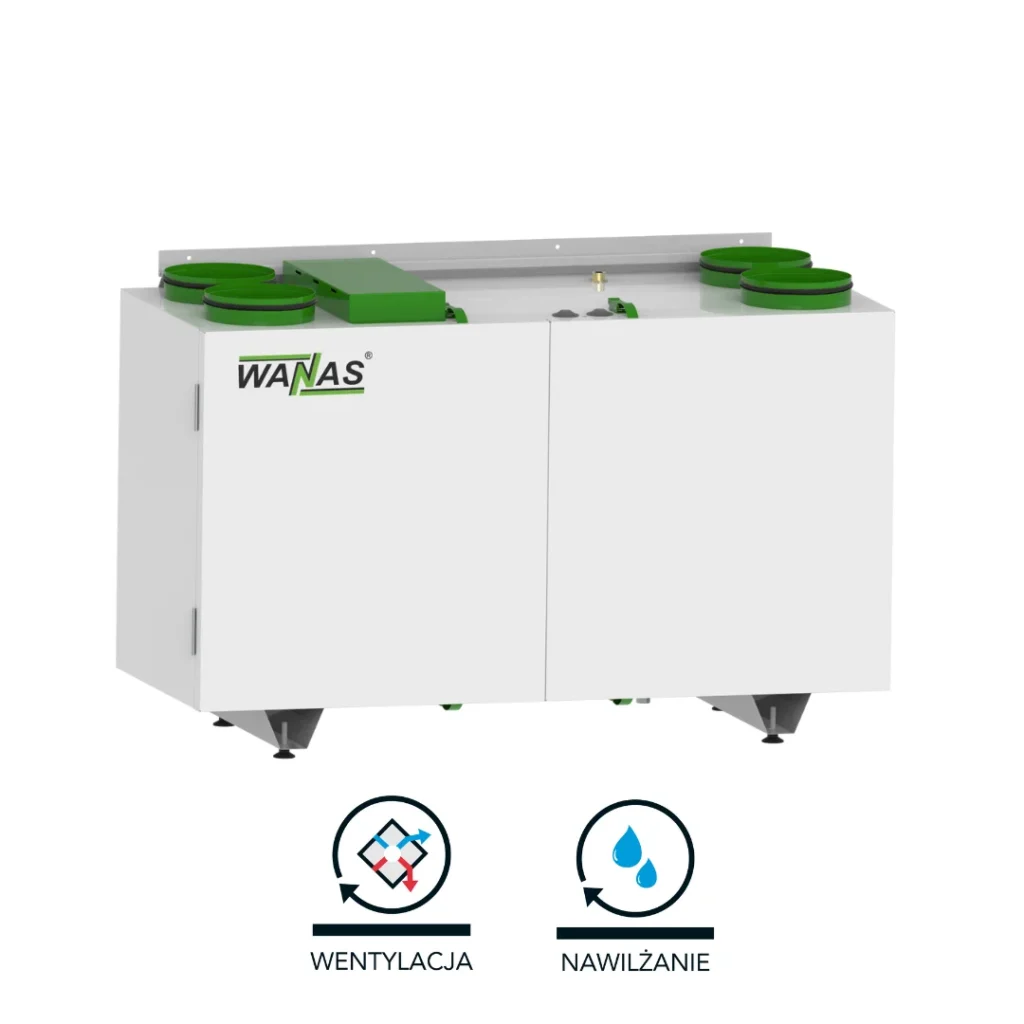
More and more often, recuperators with air conditioning are encountered – mechanical ventilation systems with an additional air cooling function in summer. A standard recuperator recovers heat in winter and may bypass the exchanger in summer (so-called bypass), but it does not actively cool the air. Modern models, however, offer additional cooling modules or cooperate with air conditioning systems, allowing the supply air to be cooled on hot days. Such a recuperator with a cooling function ensures a pleasant indoor climate all year round – it heats fresh air in winter and cools it in summer. In 2026, this technology will continue to develop, eliminating the need to install separate air conditioners in each room and providing comprehensive thermal comfort. A good choice in this category is the Wanas Combo 430V recuperator, which combines heat recovery with active cooling, offering a versatile solution for year-round comfort.
Use of renewable energy in heat recovery ventilation
In an era of growing environmental awareness, combining heat recovery ventilation with renewable energy sources is essential. A modern recuperator is energy-efficient and can cooperate with RES installations such as photovoltaics or a heat pump. Thanks to this, heat recovery can be powered by free solar energy, making the home more self-sufficient and environmentally friendly.
Modern technologies in recuperators and their advantages
| Technology | User benefits |
| Intelligent control | Automatic ventilation adjustment, energy savings |
| Moisture recovery (enthalpy) | Optimal indoor humidity, no dry air |
| Air cooling function | Thermal comfort in summer, cool air during heatwaves |
| RES integration | Lower operating costs, ecological energy use |
| Wall-mounted (decentralized) recuperator | Installation without major renovation, ideal for retrofits |

Wall-mounted heat recovery ventilator – easy installation without ducts
For owners of older houses or apartments where there is no space for ventilation ducting, a wall-mounted heat recovery ventilator is an ideal solution. It is installed directly in an external wall – it only requires drilling an opening and mounting a compact ventilation unit, which is far less invasive than installing an extensive duct system. In such solutions, including smaller rooms such as bathrooms, compact local devices are used, for example the Blauberg Vento Eco2 A50-4 S11 Pro wall-mounted recuperator, which allows heat recovery ventilation without the need for duct installation.
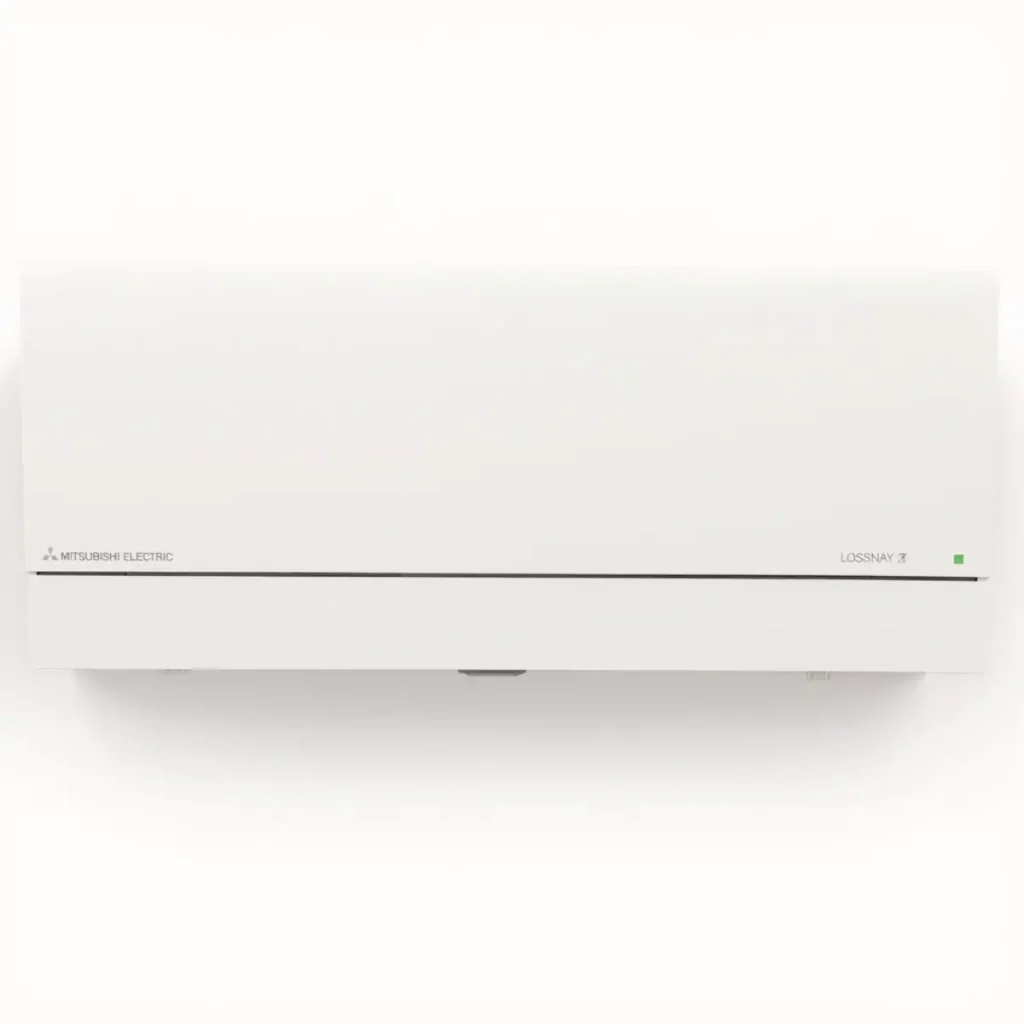
These devices often operate in pairs, alternately supplying and extracting air, recovering heat in a similar way to a central system. A single wall-mounted recuperator serves one room, but several units can be installed in different rooms, gradually equipping the entire building with heat recovery ventilation. This solution is particularly effective during renovations and thermal upgrades, when a traditional duct system would be too difficult or costly to install. Worth noting here is the Mitsubishi Lossnay wall-mounted recuperator (VL-100EU5-E), which provides easy installation and efficient heat recovery without complex installation.
Heat recovery ventilation in an old house – a modernization that pays off
Heat recovery ventilation in an old house absolutely makes sense, provided the installation is well planned and professionally executed. Installing a central recuperator in an existing building requires running new ventilation ducts, which usually involves renovation work (wall chasing, ceiling enclosures, etc.). Therefore, such an investment is best carried out in parallel with a major home renovation to minimize inconvenience.
Despite these challenges, the benefits of heat recovery ventilation in an older home are well worth the effort. Such a system provides constant fresh air without the need to open windows even in winter, and heat recovery translates into lower heating bills, estimated to be 20–30% lower. Additionally, mechanical ventilation eliminates problems with excess moisture, mold growth, and stale air, which many old buildings struggle with. The most important advantages of such modernization include:
- Lower heating costs, thanks to heat recovery, energy loss reduction can reach up to 30%.
- Fresh air without opening windows, comfort all year round and no heat loss in winter.
- No moisture and mold, heat recovery prevents wall dampness and the development of harmful fungi.
- Less noise and dust from outside, filters trap pollutants, and no need for airing reduces noise ingress.
Heat recovery ventilation in an apartment – fresh air in every building
Heat recovery ventilation in an apartment is entirely possible – residents can also benefit from mechanical ventilation with heat recovery. In multi-family housing, traditional gravity ventilation is often ineffective, especially after replacing windows with airtight ones. As a result, many apartments experience problems with moisture, mold, and deteriorating air quality.
Installing a central recuperator in an existing apartment building can be difficult, so simpler solutions are often chosen. The most popular option is installing local devices – wall-mounted recuperators in selected rooms or special recuperators integrated with kitchen hoods, which simultaneously function as mechanical ventilation. Such systems provide fresh, filtered air and remove polluted air without the need for costly apartment reconstruction. For residents, this means higher living comfort: no fogged windows, no unpleasant odors, and lower heating bills.

KlimaOne – heat recovery ventilation and air conditioning with experience
The company KlimaOne is an expert in modern solutions for homes and businesses, including heat recovery ventilation, ventilation, air conditioning, and heating systems. Thanks to many years of experience, professional consulting, and an individual approach to each project, KlimaOne.com effectively helps clients choose the right recuperator tailored to local conditions and building characteristics.
Both single-family home owners and guesthouse or apartment owners will find solutions suited to their needs. The company’s activities perfectly align with the expectations of people looking for functional and energy-efficient technologies that improve living comfort and reduce property operating costs.
KlimaOne offers, among others, the following products:
| Product | Description | Advantages | Best applications |
| Mitsubishi Lossnay VL-100EU5-E wall-mounted recuperator | Compact wall-mounted recuperator with easy installation and heat recovery | High energy efficiency (up to 80% heat recovery), low power consumption (15–31W), quiet operation (25–37 dB), filtration of pollutants, allergens and odors, simple installation without ducts | Ideal for apartments, older houses and offices; perfect for retrofits where fresh air is needed without major renovations, especially for people with allergies or asthma |
| Mycond MV1500I-W recuperator air handling unit | Smart recuperator with IoT automation and heat recovery | Up to 70% energy savings, quiet operation (49–51 dB), IoT and mobile app integration, up to 82% heat recovery, intelligent sensors and anti-frost system | Excellent for large homes, apartments, and commercial spaces; best for buildings requiring remote control and high energy efficiency |
| Wanas Combo 430V recuperator | Recuperator with air conditioning and cooling function | High efficiency (80.8% heat recovery), low energy consumption (30–155W), integration of humidification, heating and cooling, app control, automatic bypass | Great for single-family homes up to 250 m² and service buildings; ideal in see.able climates with changing conditions, ensuring year-round thermal and humidity comfort |

The recuperator is the future—already today
Modern recuperators are much more than simple fans with a heat exchanger. In 2026, they are advanced devices integrating smart home functions, air conditioning, and efficient energy management. When choosing a recuperator, it is worth checking whether it offers the following features: moisture recovery, an air cooling function for summer, compatibility with renewable energy sources, and the possibility of wall-mounted installation (when there is no space for ducts).
Thanks to this, you and your household will enjoy a healthy indoor microclimate while reducing home maintenance costs. Investment in heat recovery ventilation pays back quickly—both financially and in the form of better well-being for occupants and a higher standard of living.
Frequently asked questions
Can a recuperator replace air conditioning in summer?
A standard recuperator does not actively cool the air, so it cannot fully replace air conditioning. However, modern models with a cooling function or those cooperating with air conditioning systems can partially reduce the temperature of the supplied air, increasing comfort during hot weather.
Is it worth installing heat recovery ventilation in an old house?
Yes, installing heat recovery ventilation in an old house is cost-effective, provided the system is well planned and properly installed. It ensures a constant supply of fresh air, eliminates excess moisture and mold, and reduces heating costs, although installation may require some renovation work.
Can a recuperator be installed in an apartment?
Absolutely. A recuperator can also be installed in an apartment. Most often, a small ceiling-mounted ventilation unit or wall-mounted recuperators are used, which do not require an extensive duct system—thanks to this, even apartment residents can enjoy fresh air and heat savings.