
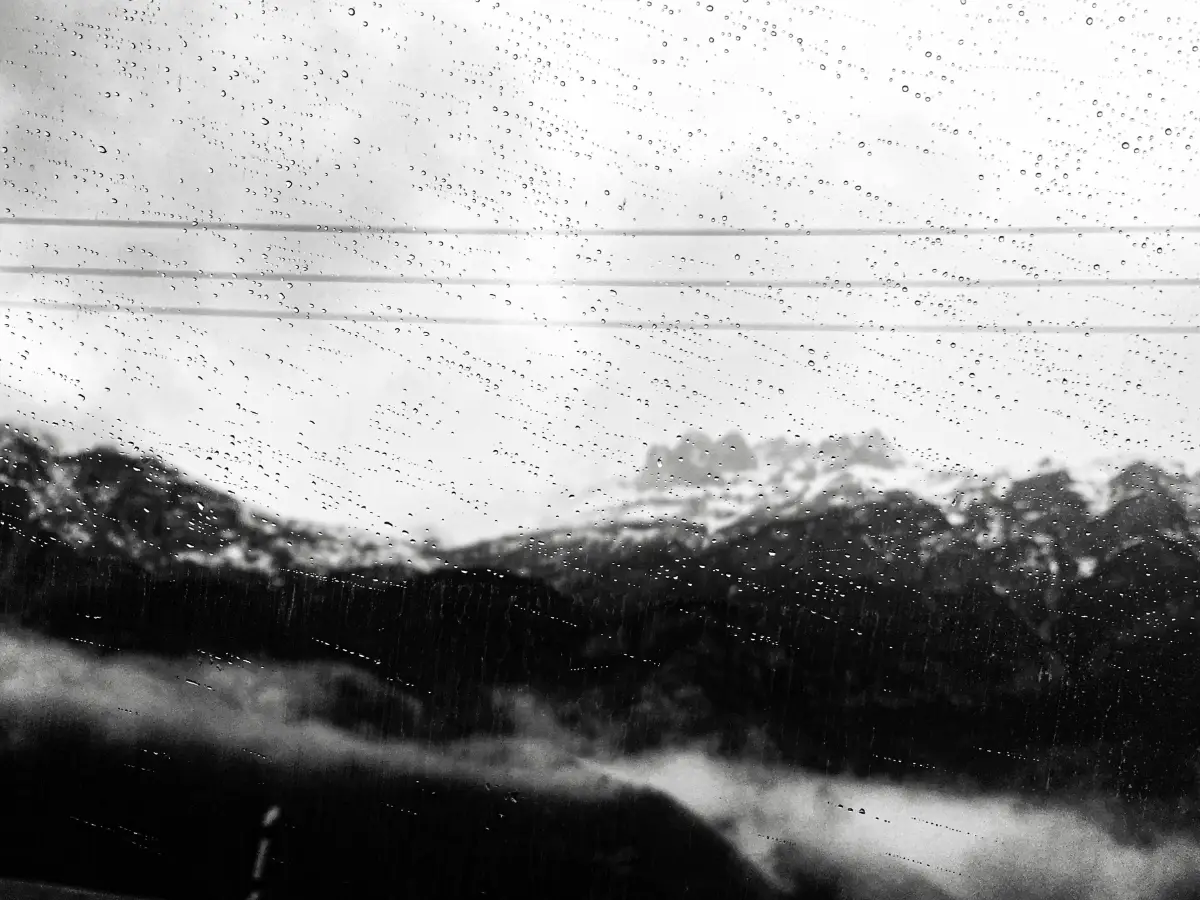
Do you know this scenario? A successful winter season in the Tatra Mountains comes to an end, you enter your apartment, and there it is again — the same dark coating blooming on the wall. Are you wondering why mold in a rental apartment in Zakopane is such a common problem? Poor ventilation, wet ski boots, or perhaps structural defects in the building?
I would like to share my knowledge with you because constantly fighting mold is not only a waste of money on repeated renovations, but also a risk of serious conflicts with guests and negative reviews. You are unnecessarily wasting your time and nerves! Read this article and find out how to get rid of excess moisture once and for all.
What will you learn from this article?
- You will identify the main reasons why mold and moisture keep returning to your property like a boomerang.
- You will discover technical solutions for effective ventilation so that mold has no chance to develop.
- You will find out who is responsible for renovation costs when a problem occurs in the apartment during the rental agreement.
- You will learn how to defend yourself against claims by understanding tenant rights in the event of dampness as well as the landlord’s responsibilities.
Table of Contents
- Why is mold in a rental apartment in Zakopane such a widespread problem?
- Where does mold develop fastest in a property?
- Ventilation is essential. How can you exchange air effectively?
- Too much moisture? Discover equipment for special tasks
- How can you protect air quality and the tenant’s health?
- Heating and cold air from the door — hidden causes of problems
- Mold in a rental apartment. Landlord responsibilities
- What are tenant rights and when can a rent reduction be requested?
- Summary. Get rid of the problem for good!
Why is mold in a rental apartment in Zakopane such a widespread problem?
Zakopane has a very specific microclimate. Significant temperature fluctuations, freezing winters, snowfall, and rain mean that moisture naturally finds its way into buildings. Add to this the way a rental property is used. Guests return from the slopes, bring in water-soaked jackets, throw wet gloves onto radiators, and take long, hot showers. What do they do with the windows? Naturally, they keep them tightly closed because it is cold outside!
This behavior is a perfect recipe for disaster. The air becomes saturated with water vapor, and when it condenses on cold exterior walls, mold in the apartment gets ideal conditions in which to grow. Mold spores love warmth and moisture. As you can see, the fundamental difference between a private home and a rental apartment lies in the intensity of use.
Where does mold develop fastest in a property?
Before you start panicking, carry out a thorough inspection. Personally, I always start with areas where water is present in large quantities. Check the bathroom: silicone seals around the shower tray, grout, and the area around the washing machine. Remember that mold also loves places we rarely inspect. Look at the corners of exterior walls, window recesses, and spaces behind furniture.
If you have built-in wardrobes placed directly against a cold exterior wall, move them at least 5 centimeters away from it! A lack of air circulation behind a large wardrobe is an open invitation for mold. I encourage you to inspect these critical areas regularly after every guest checks out.
Ventilation is essential. How can you exchange air effectively?
Are you wondering why simply opening a window is not enough? Ventilation grilles are often blocked or, even worse, covered by guests because they felt a “draft.” Without proper air exchange, your apartment turns into a thermos. If gravity ventilation in an old highland house is ineffective, it is worth considering effective mechanical ventilation with heat recovery. This solution provides continuous replacement of stale air with fresh air without dramatically cooling the rooms.
You do not have to immediately tear up the entire apartment to install ventilation ducts. In finished properties, decentralized installation can be an ideal solution.
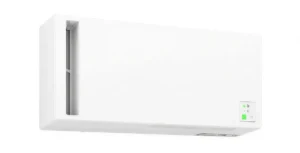
An excellent and minimally invasive solution is, for example, the compact Mitsubishi Lossnay wall-mounted unit, which can be installed directly on an exterior wall. This type of equipment maintains proper air circulation while removing excess moisture generated by guests.
Too much moisture? Discover equipment for special tasks
When mold or moisture has already taken over your walls and the characteristic musty smell is lingering in the air, you need to act quickly! Ordinary airing is no longer enough. I would recommend taking a professional approach. You can find excellent, high-quality air dehumidifiers on the market that can remove several dozen liters of water from the air per day.
Simply place such a device in a flooded bathroom area or a heavily damp room, set the desired humidity level on the humidistat, and let the equipment do the work for you.
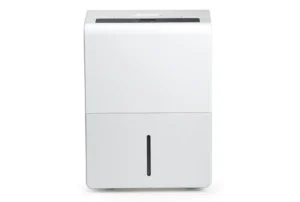
When looking for a reliable solution after a difficult, wet season, I would personally consider the high-performance TCL condensation dehumidifier. The device can operate automatically, which is a major advantage when the apartment remains empty between bookings. All you need to do is empty the water tank and watch as the walls finally become dry!
How can you protect air quality and the tenant’s health?
Remember that mold in a rental apartment is more than just an unsightly stain. Above all, it can pose a serious threat to the health of tenants and their families. Mold spores can cause allergies, shortness of breath, headaches, and chronic fatigue. When guests with children stay at your property, you need to provide them with safe conditions. It is worth investing in solutions that help purify indoor air.
Modern air purifiers work very well, continuously filtering fine particles, allergens, and mold spores from the air. Of course, they will not eliminate the source of the problem, but they can help provide cleaner air while mold remediation is being carried out.
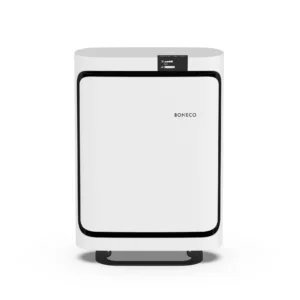
If you are looking for equipment that can effectively deal with airborne contaminants and improve your guests’ sleeping environment, the Boneco P500 model for allergy sufferers is an excellent choice. Adding such equipment to an apartment can often raise its perceived standard in the eyes of guests! If you are looking for technical information about the effectiveness of these solutions, I recommend checking expert blogs, for example those run by specialists from [www.zenetik.pl](http://www.zenetik.pl), who work with indoor microclimates on a daily basis.
Heating and cold air from the door — hidden causes of problems
In Zakopane, many apartments are located in guesthouses or hotels where entrance doors are opened dozens of times a day. Cold mountain air quickly cools staircases and hallways. The temperature difference causes the walls around entrances to become ideal places for mold to develop. To prevent freezing air from entering from outside, consider installing equipment such as air curtains above the entrance. They create an invisible thermal barrier that prevents the lobby from becoming excessively cold.
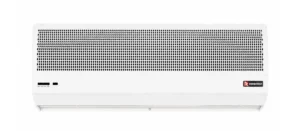
For properties with heavy foot traffic, the Reventon water-heated air curtain above the door is an excellent solution. By blocking cold air at the entrance, you help prevent water from condensing on the walls of nearby apartments.
Sometimes, however, the problem is simply insufficient localized heating inside the apartment itself. To warm colder areas faster than a traditional radiator would, it is worth using fan coil units.
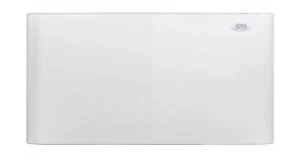
For an elegant, modern apartment near Giewont, the Cooper&Hunter 3 kW floor-mounted fan coil unit will fit in perfectly. It provides a rapid increase in room temperature which, when combined with proper ventilation, can effectively stop moisture problems before they begin.
Mold in a rental apartment. Landlord responsibilities
When black mold appears on a wall, one question immediately comes to mind: who pays for it? If you offer long-term rentals, the situation can be complicated. In a rental apartment, the landlord’s responsibilities are clearly defined by law. As the owner, you must provide the tenant with a property that is fit for use and maintain it in this condition throughout the entire term of the rental agreement.
If mold has appeared because of structural defects, such as a leaking roof, insufficient foundation insulation, or defective ventilation in the building, then you, as the landlord, must hire professionals and eliminate the problem at your own expense. You cannot blame the tenant if the building itself is simply “unhealthy.” Arrange a proper diagnosis, such as a thermal imaging inspection, to determine the true source of the problem. I should add that failing to respond quickly can easily work against you.
What are tenant rights and when can a rent reduction be requested?
On the other hand, what if you are renting a property for the season and suddenly notice that the wall is turning green? Tenant rights in the event of dampness allow you to take decisive action. You have every right to formally request that the landlord remedy the defect within a specified period. If the problem interferes with everyday life, you may request a proportional reduction in rent or accommodation charges.
Remember, however, that conflicts between landlords and tenants often arise from misunderstandings. If the tenant has clearly neglected the apartment — for example, by drying laundry in a closed room, covering ventilation grilles, never airing the property, and turning off the heating to save money — then the tenant may be responsible for the resulting damage. In extreme situations, when mold in a rental apartment poses a genuine threat to life or health, the tenant may have the right to terminate the rental agreement with immediate effect. Be fair: if you notice a problem, report it immediately, and you can avoid painful financial consequences and legal disputes.
Summary. Get rid of the problem for good!
Mold in an apartment in Zakopane is a common nuisance, but you do not have to resign yourself to laboriously scrubbing the walls with bleach every year! As you can see, the key is to tackle the cause rather than merely hiding the symptoms.
Make sure you have proper ventilation, move furniture away from cold walls, use dehumidifiers when humidity levels rise, and understand how legal responsibility is divided between the parties to the rental agreement. Do not wait until mold covers half of the bathroom. Take action today! Assess your property in terms of thermal performance and ventilation. I encourage you to implement these steps, and I am confident that your mountain apartment can once again become a healthy and pleasant place for every visitor. Do it for your own peace of mind — and for a healthier bottom line!